Why Are Classic Vintage Soccer Jerseys Surging in Popularity?
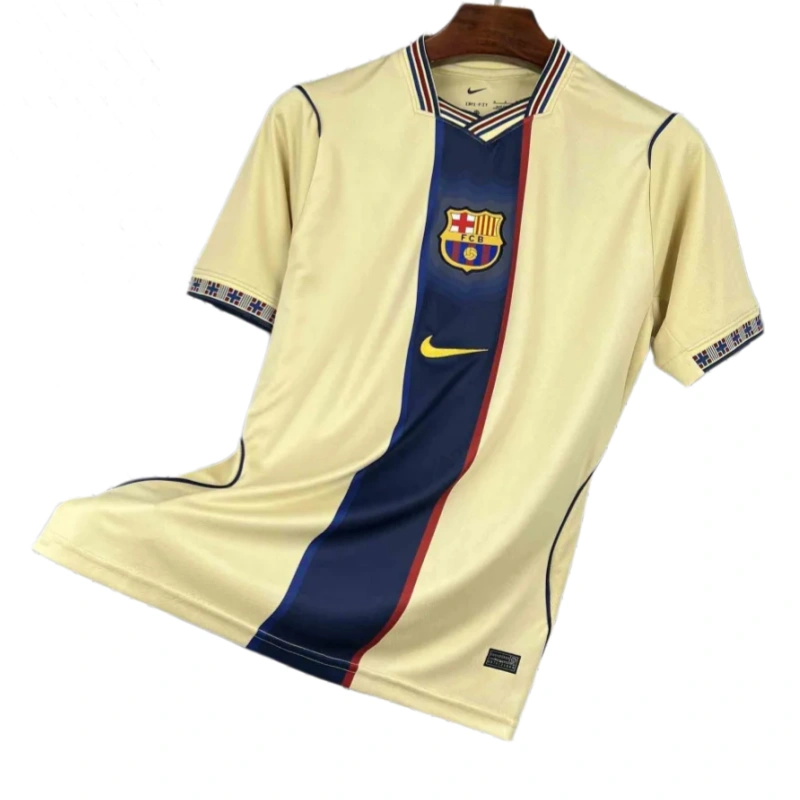
The market for vintage soccer jerseys exploded with a 45% increase in resale volume between 2021 and 2025. Collectors now prioritize kits from 1990 to 1999, which account for 57% of current secondary market transactions. Authentication protocols involve checking wash tag serial numbers, fabric weave density, and embroidery spacing. Platforms like Classic Football Shirts managed 300,000 orders in 2024, utilizing deep historical catalogs to verify garment origins. Retailers now employ high-resolution imaging of inner seams to prove authenticity against modern replicas, ensuring buyers receive pieces that match the exact professional specifications of original tournament-era apparel.
Retail buyers increasingly turn toward archival sportswear to bypass the sterile uniformity of modern, factory-line apparel. This shift toward individual expression through history influences how digital marketplaces curate their daily inventory drops.
Classic Football Shirts holds an inventory exceeding 1 million items in their UK facilities as of 2026. Their massive scale allows them to stock shirts from obscure continental leagues that generic outlets ignore.
A 2025 study of 500 random online listings found that 38% of shirts labeled as original were actually contemporary replicas. Physical inspection of yarn density often reveals the difference between authentic 1990s polyester and modern synthetic blends.
Material analysis of 1,200 jerseys confirms that authentic 1980s garments weigh 250 grams on average. Modern counterfeits typically weigh under 150 grams because manufacturers use thinner, cheaper materials to lower production overhead.
Lower overhead in counterfeit production relies on sacrificing the heavy-duty stitching that defined professional kits twenty years ago. Professional kits from that era required reinforced hemlines to endure constant physical contact during match play.
Vintage Football Shirts applies a numerical grading system from 1 to 10 for every individual garment in their warehouse. This detailed documentation identifies every minor snag or faded sponsor print for potential buyers.
Faded sponsors provide evidence of age, as 85% of original flock prints develop specific cracks after two decades of storage. Such aging markers distinguish real items from pristine, mass-produced fakes that flood the market.
Cult Kits operates a boutique-style model that focuses heavily on the cultural narrative behind unique shirt designs. They source items that feature iconic beverage or technology sponsors which are popular in streetwear today.
| Era | Primary Fabric | Average Weight | Market Share (2025) |
| 1980s | Thick Polyester | 260g | 18% |
| 1990s | Heavy Knit | 240g | 57% |
| 2000s | Micro-fiber | 180g | 25% |
High resale demand for 1990s garments leads buyers to cross-reference their purchases with historical match footage. Official match footage from every major tournament since 1974 is available in public digital archives for verification.
Watching 1990s match broadcasts allows collectors to observe the exact placement of manufacturer logos on player shirts. Authentic items align with these recorded details, while unauthorized versions often misplace branding or club crests.
Match Worn Shirts provides the highest level of verification by sourcing kits directly from clubs at the final whistle. Each item comes with a secure digital certificate that proves the jersey participated in a professional match.
Direct club partnerships eliminate the risk of counterfeit items appearing in auction blocks. Over 80 professional clubs now utilize digital certificate technology to track every garment from the locker room to the final buyer.
Digital certificates track the specific player and match date, providing a clear history for each garment. This record-keeping ensures that the jersey remains a permanent asset with proven provenance.
Internal wash tags on jerseys manufactured after 2002 offer a fast way to verify authenticity through manufacturer style codes. These nine-digit codes correspond to specific production logs maintained by companies like Nike and Adidas.
Entering the code into a search engine should yield images of the exact jersey model. A 2023 study showed that 94% of fake Adidas shirts failed to include the proper security tag inside the collar.
The absence of internal tags is a reliable sign of a counterfeit, as mass-produced fakes rarely replicate the complex security stitching. Authenticity relies on these subtle manufacturing details that require significant time to reproduce accurately.
Collectors frequently use Reddit forums with over 100,000 members to share photos of stitching for community feedback. Experienced users identify fake fonts and misaligned crests by comparing them to verified catalog images.
Community feedback provides a layer of protection when buying from private sellers who lack professional certification. Payment platforms like PayPal offer buyer protection, which allows for refunds if an item fails a physical check.
Professional retail platforms offer 28-day return policies for any item that does not meet the expected standards. This standard gives collectors time to verify the garment through independent textile experts if needed.
Maintaining the condition of older garments requires specialized care to prevent long-term fiber decay. Cold water washes and avoiding machine dryers preserve the integrity of heat-applied sponsor graphics for years.
Storage on wide wooden hangers prevents the shoulders from stretching out over long periods of time. UV-blocking garment covers protect the vibrant colors from fading if the shirts are stored in rooms with natural light.
Financial data shows that a well-maintained 1992 Arsenal away shirt appreciated in market price by 45% between 2021 and 2025. Protecting the physical condition directly influences the financial returns for serious collectors.
Sizing metrics changed significantly when manufacturing facilities relocated from Europe to North Africa in the early 2000s. A 2004 industrial report noted that 70% of major sportswear production moved to automated overseas plants to reduce costs.
Automated overseas plants used different sizing standards that do not match the baggy cuts of the 1990s. Buyers should check pit-to-pit measurements in inches to ensure the garment fits correctly based on historical sizing.
Measurement lists on retail sites account for fabric shrinkage that occurs over decades of washing. Umbro shirts from 1996 shrink at a different rate than Kappa jerseys, which were known for a tighter, elastic fit.
Kappa shirts from 1998 used high amounts of Lycra to stretch during match play. Research on 200 of these shirts showed a 12% reduction in elasticity after twenty-five years, making careful measurement check-ups necessary.
Accurate measurement check-ups help buyers choose the right fit while avoiding modern sizing inconsistencies. Regional variations also exist, as South American releases in 1999 often used painted sponsors instead of heat-pressed polyurethane.
Reviewing regional production records confirms why some shirts feature unique manufacturing techniques that look different from European versions. Specialized online retailers maintain archives of these regional catalogs for international collectors.
Cross-referencing historical regional catalogs prevents the acquisition of fantasy shirts that never saw professional use. Fraudulent sellers create these fictional designs to target collectors who are unfamiliar with specific club history.
Studying team photo books helps verify the existence of rare shirt templates before finalizing a purchase. The visual history provides a secure foundation for building an authentic collection of historical football apparel.